In the battle for public opinion, the most powerful story isn’t always the one with the best facts. It’s the one that connects with people first.
Developers routinely invest millions in engineering, environmental studies, economic analyses, and legal counsel to secure approvals for projects worth hundreds of millions, sometimes billions, of dollars. Yet when it comes to introducing those projects to the public, many still rely on site plans, fact sheets, PowerPoint presentations, and corporate talking points.
Those tools are important, but they have one major limitation. They rarely connect with people emotionally.
Professional video storytelling can bridge that gap. Whether the project involves a data center, solar farm, industrial facility, housing development, or critical infrastructure, video brings an otherwise two dimensional proposal to life. It introduces the people behind the investment, the families whose livelihoods may benefit, and the communities whose futures may be shaped by development.
People connect with people before they connect with projects.
And in today’s increasingly contentious approval environment, that connection can make an enormous difference.
Nearly 300 Interviews. One Powerful Lesson.
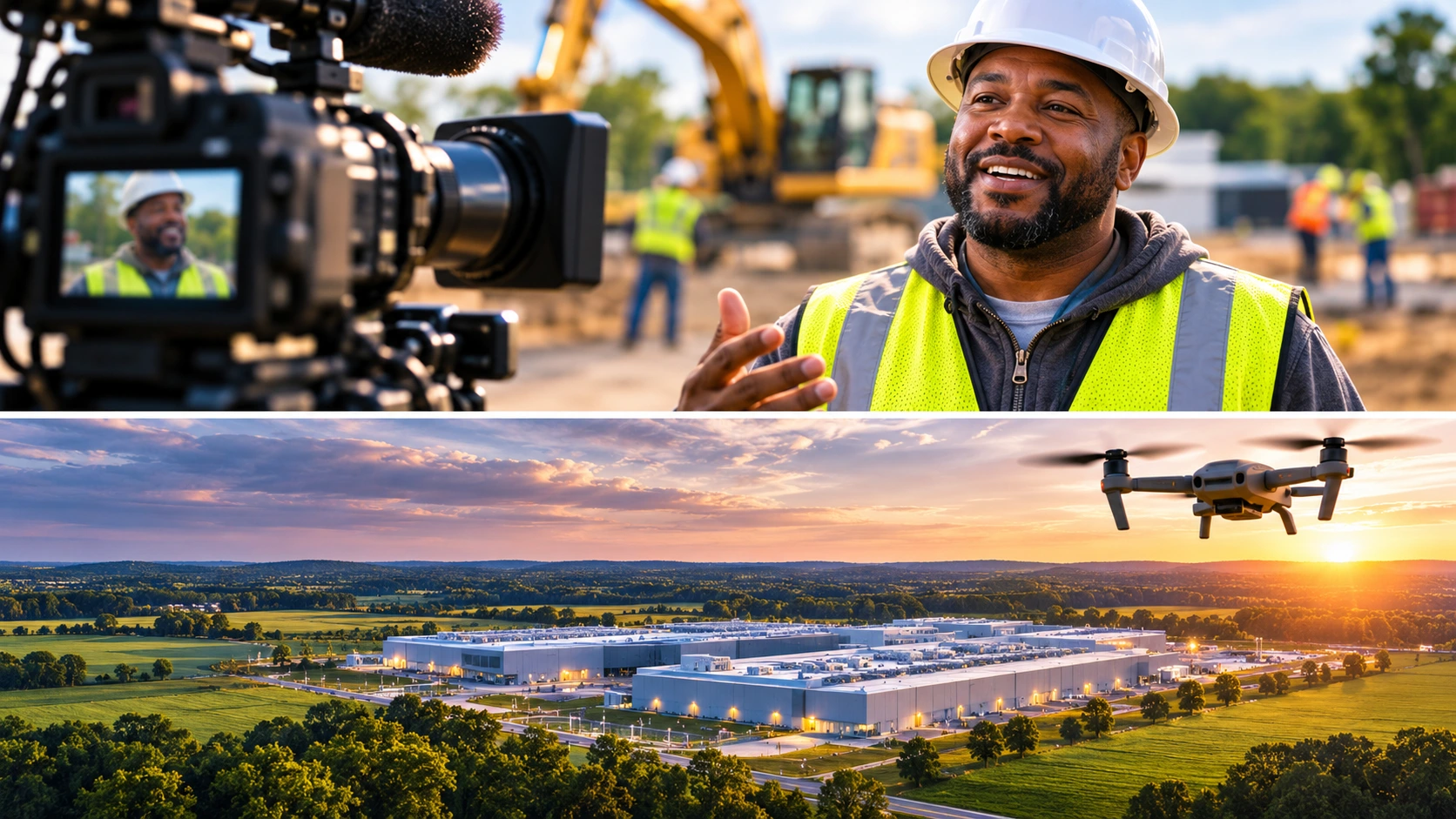
Over the past five years, my video crew and I have interviewed nearly 300 people across America, including farmers, company executives, public officials, business and civic leaders, union representatives, small-business owners, pastors, volunteers, and neighbors.
One lesson has become unmistakably clear: Everyone has a story to tell. And video is the most powerful platform I’ve found for helping them tell it.
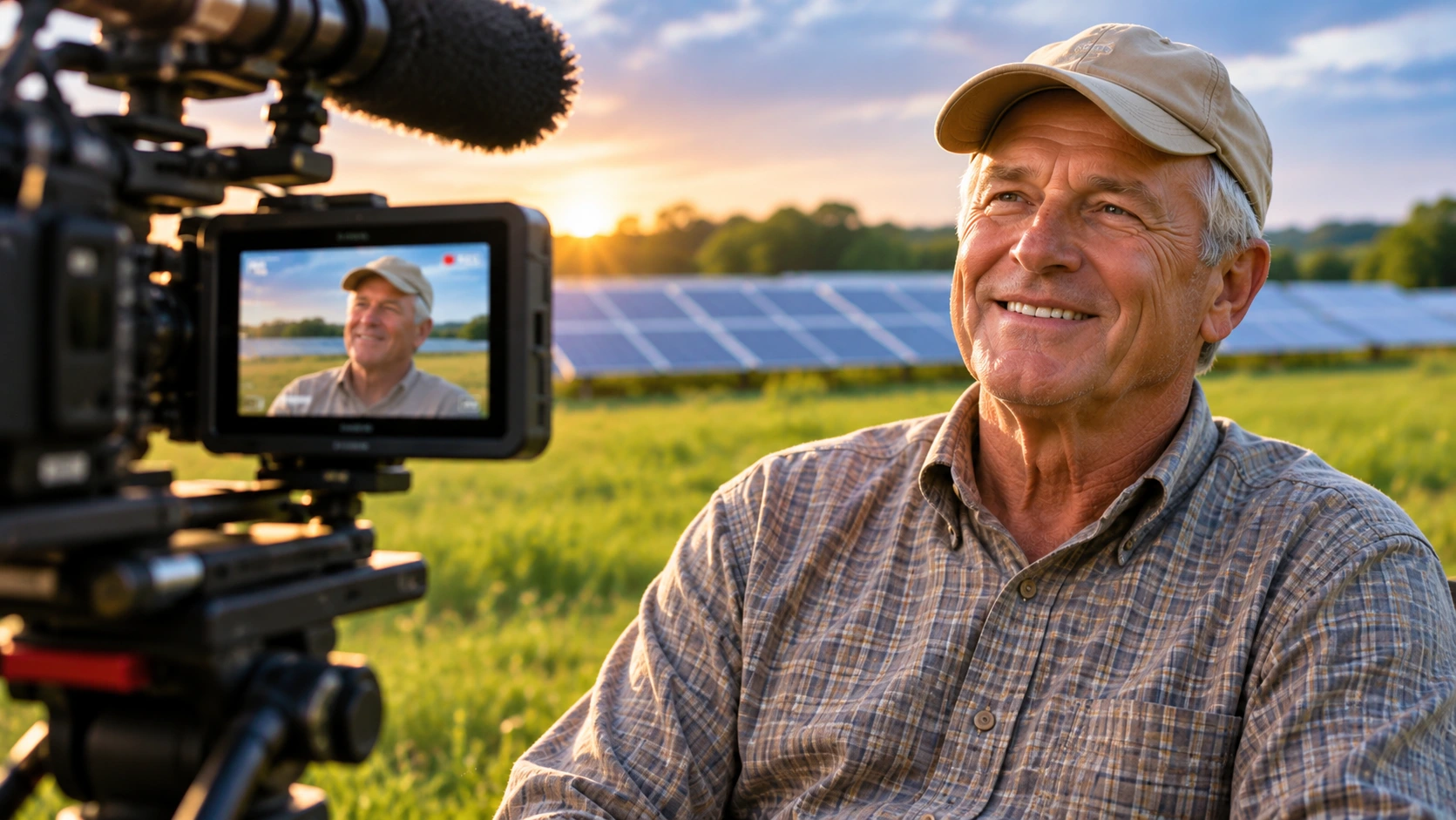
I’ve watched farmers explain what preserving family land means to the next generation. I’ve listened to employees describe how a company gave them a career rather than simply a paycheck. I’ve interviewed construction workers whose pride in their trade comes through in ways no economic impact study could capture.
What makes these interviews compelling isn’t always what people say. It’s how they say it. The emotion in their voices, the pride in their expressions, the sincerity of their experiences, and sometimes even the pauses between their words communicate something a written testimonial cannot fully replicate.
A landowner explaining why a lease provides financial security for future generations is more relatable than a spreadsheet showing projected economic benefits. A skilled tradesperson discussing career opportunities can make a stronger impression than a corporate announcement promising hundreds of construction jobs.
Technical information explains the project. Human stories give people a reason to care about it.
Humanizing the Developer
One of the greatest vulnerabilities facing developers is that the public often knows very little about the people behind a project.
A corporate name appears on a public notice. A logo appears on a website. An attorney or engineer addresses the planning commission. Meanwhile, opponents may portray the developer as an outside corporation interested only in profits.
That characterization becomes easier to sustain when the developer remains faceless.
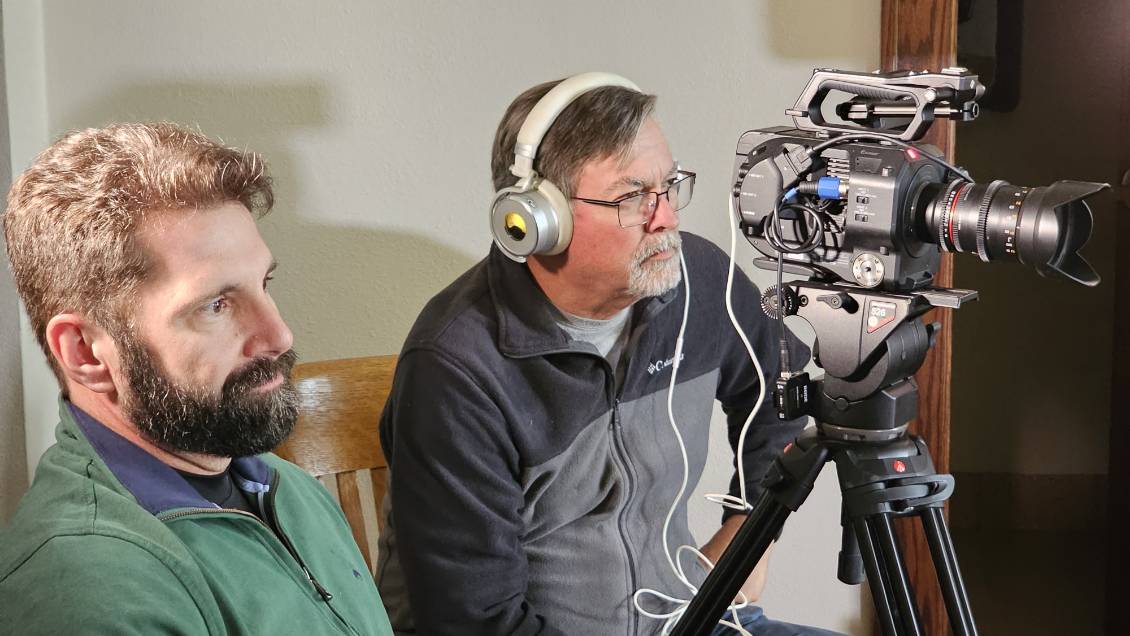
Video changes that dynamic by introducing employees, executives, and the people who make the company work.
In the battle for public opinion, the most powerful story isn’t always the one with the best facts. It’s the one that connects with people first.
Developers routinely invest millions in engineering, environmental studies, economic analyses, and legal counsel to secure approvals for projects worth hundreds of millions, sometimes billions, of dollars. Yet when it comes to introducing those projects to the public, many still rely on site plans, fact sheets, PowerPoint presentations, and corporate talking points.
Those tools are important, but they have one major limitation: they rarely connect with people emotionally.
Professional video storytelling can bridge that gap. Whether the project involves a data center, solar farm, industrial facility, housing development, or critical infrastructure, video brings an otherwise two-dimensional proposal to life. It introduces the people behind the investment, the families whose livelihoods may benefit, and the communities whose futures may be shaped by development.
People connect with people before they connect with projects.
And in today’s increasingly contentious approval environment, that connection can make an enormous difference.
The Credibility of Third-Party Voices
Some of the most persuasive voices in development communications aren’t employed by the developer at all.
They are landowners, tradespeople, small-business owners, community leaders, and others whose experiences offer an independent perspective on what responsible development can mean.
Farmers can explain why they voluntarily lease or sell their property. Union representatives can describe apprenticeships, wages, and workforce opportunities.
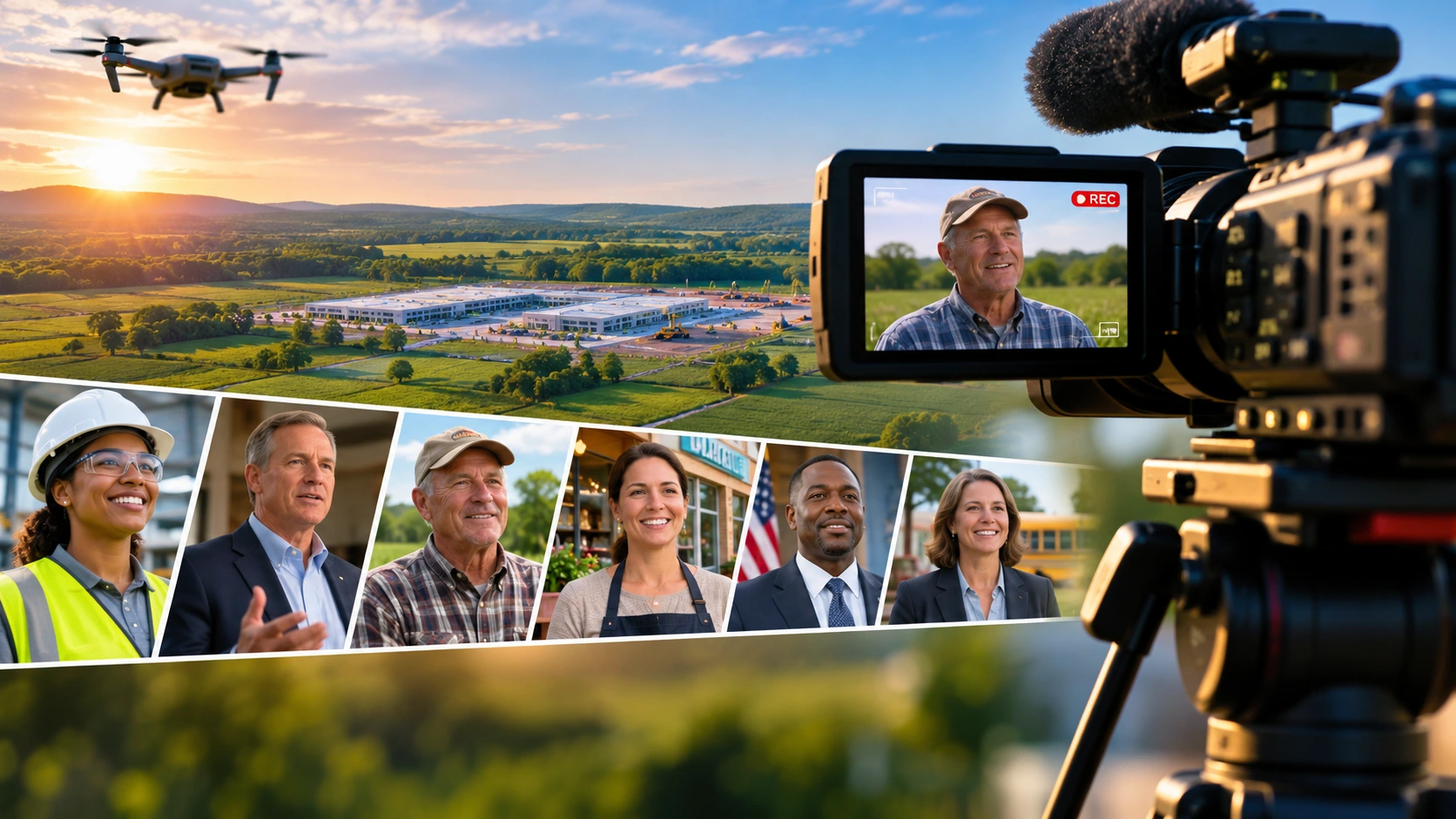
Small-business owners can discuss the potential customers and economic activity associated with construction and ongoing operations.
Civic leaders can explain the importance of investment and a diversified tax base. School officials can discuss educational needs and workforce preparation. Charities, pastors, and volunteers can describe the tangible impact of genuine community partnerships.
These individuals can bring credibility that corporate messaging alone cannot achieve.
But authenticity is essential. The goal isn’t to manufacture endorsements or put words in someone’s mouth. Participants should speak voluntarily, in their own words, with relevant financial relationships disclosed.
A genuine testimonial is a powerful asset. A misleading one can destroy trust.
Show the Story, Don't Just Tell It
Effective video communications go beyond interviews.
Professional videography, drone footage, and supporting B-roll allow audiences to see the people, places, and surroundings connected to a proposed development.
Imagine opening with an aerial view of farmland at sunrise while a landowner describes what the property has meant to the family. The story then transitions to a tradesperson preparing for work, a local business owner serving customers, and an executive explaining the project’s purpose and commitments.
The video then shows the proposed location, nearby roads, surrounding properties, and planned buffers.
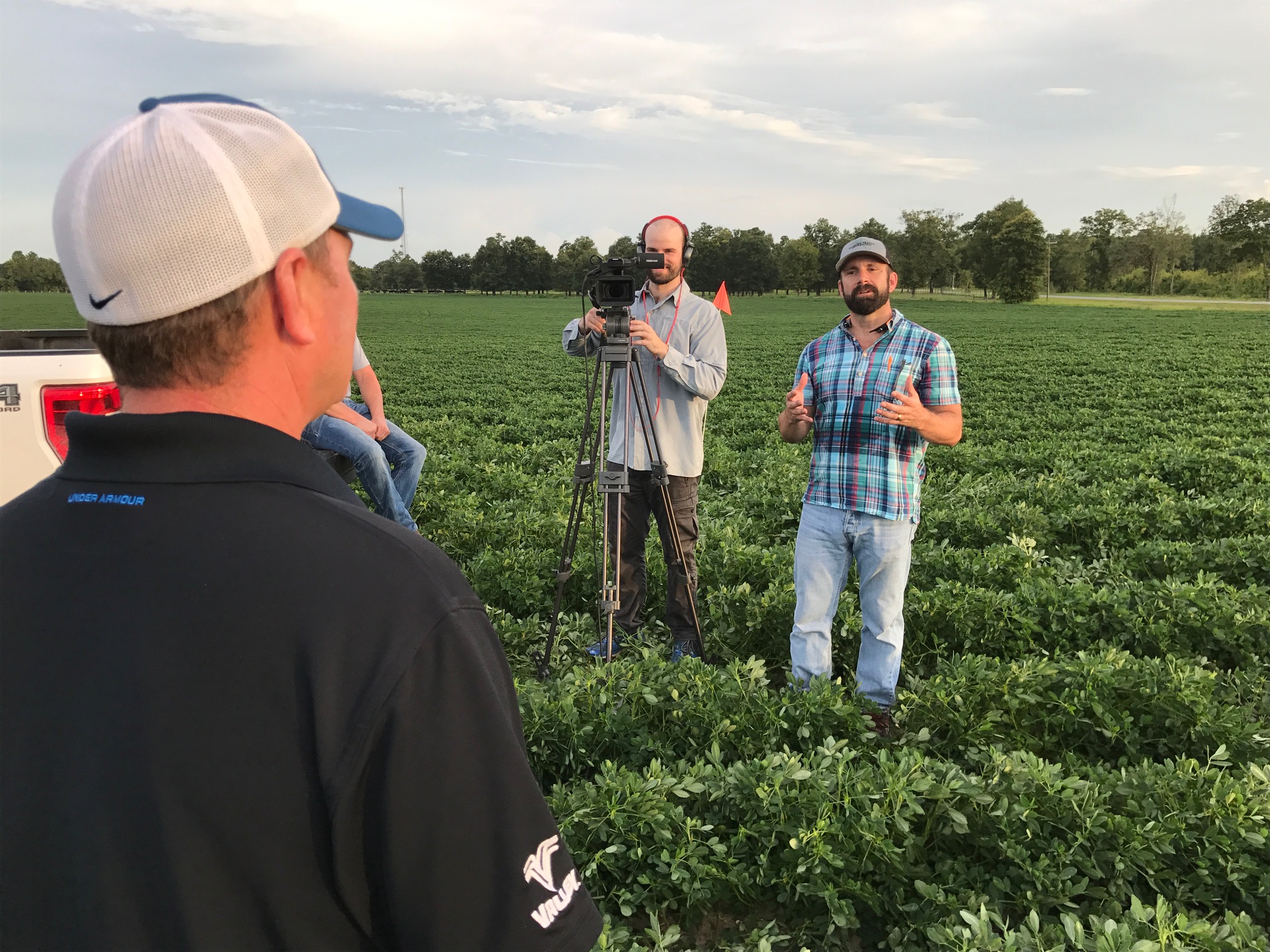
In just a few minutes, viewers encounter something far more meaningful than an application number on a planning commission agenda.
They see the community. They meet the people. They begin to understand why the project matters.
Of course, the visuals must accurately represent the proposal. Renderings should be clearly identified, footage from unrelated facilities should be labeled, and drone imagery should not conceal relevant surroundings or potential impacts.
Good storytelling and transparency aren’t mutually exclusive. In fact, the most effective communications require both.
First Impressions Can Determine the Narrative
Timing is one of the most important elements of a successful video strategy.
I’ve long argued that the best defense is the first offense.
In public affairs, that means introducing credible information and authentic human stories before organized opposition defines the project for everyone else.
Once a development becomes known primarily through allegations about traffic, water consumption, farmland, noise, or property values, the developer may spend months correcting misunderstandings and trying to regain public confidence.
By then, the first impression has already been made.
This is why video production should begin before permit applications are filed, not after controversy erupts.
A coordinated series of executive interviews, employee stories, landowner testimonials, and community perspectives can establish a more complete understanding of the project before public positions harden.
Early video communications won’t eliminate legitimate opposition, nor should they. Residents have every right to question projects that may affect their neighborhoods. But those conversations should begin with accurate information and a fuller understanding of the people and interests involved.
Developers should never surrender the opportunity to tell their own story first.
Build a Video Library, Not a Single Advertisement
One mistake developers make is commissioning an expensive three-minute promotional video and considering the communications job finished.
A better approach is to build a library of video assets that supports the project throughout the approval process.
A single interview with a farmer might produce a two-minute website testimonial, a 30-second social media clip, and several shorter responses to specific questions.
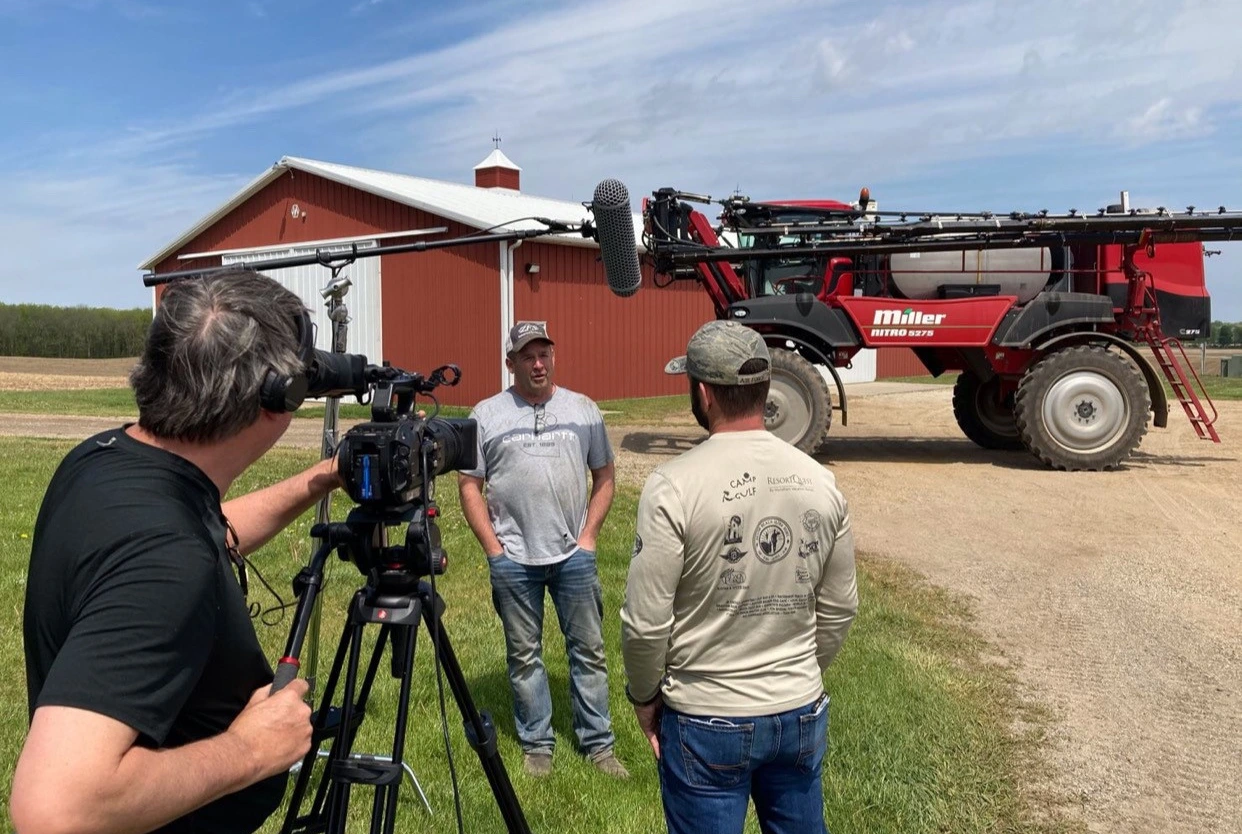
An executive interview can introduce the company while also addressing concerns about operations, environmental safeguards, or community commitments.
Drone footage and B-roll can be repurposed as new issues emerge. One well-planned filming day can produce weeks or months of useful content.
Distribution matters just as much as production.
Project websites should feature introductory videos prominently, with relevant testimonials alongside information about jobs, economic benefits, land use, and community partnerships. Corporate websites can showcase employees, executives, and completed projects to establish credibility before a new development is announced.
Shorter videos can reach audiences through YouTube, Facebook, LinkedIn, and other social platforms. Video segments can also strengthen community presentations and help elected officials understand perspectives that technical reports may not capture.
The goal isn’t simply to accumulate views. It’s to help residents, community leaders, and decision-makers understand the project through credible information and authentic human experiences.
And while production quality matters, authenticity matters more. A farmer should sound like a farmer, not a public relations executive reading a script.
The NIMBY War Room Needs Cameras
In more than 30 years of public affairs, political campaigns, and controversial development approvals, I’ve witnessed how quickly a project can lose control of its public narrative.
Opposition campaigns understand the power of emotion. A concerned resident speaking into a smartphone can generate more attention than a hundred-page engineering study.
Developers must understand that reality, too.
The answer isn’t to abandon engineering, science, or economic analysis. Those remain the foundation of a credible proposal. The answer is to communicate that information in ways people can understand while introducing the human beings behind the investment.
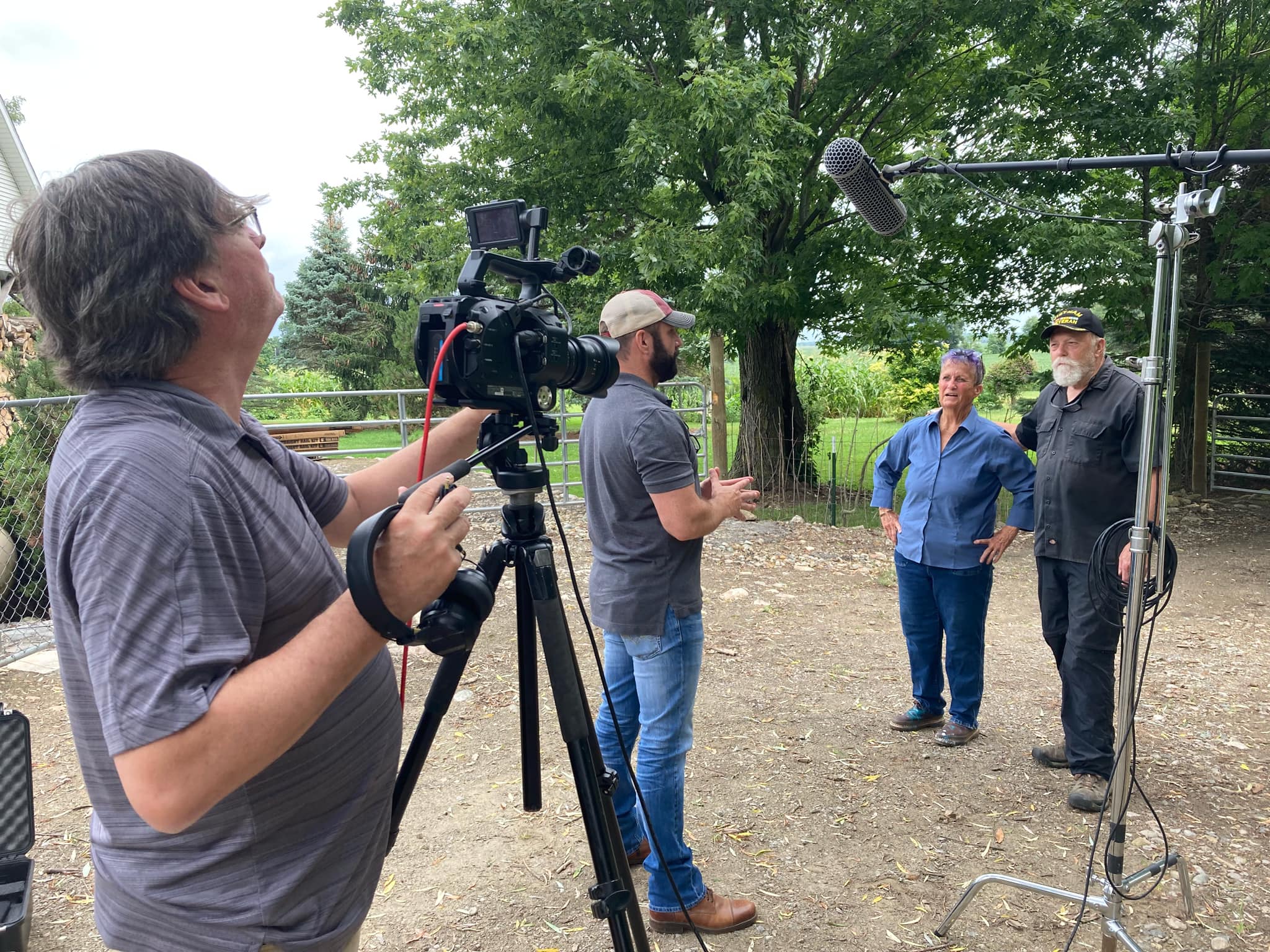
A well-produced video can show an employee whose career has flourished, a farmer planning for the next generation, a tradesperson building something lasting, or a community organization making a meaningful difference.
It can also introduce executives willing to stand behind their commitments and experts prepared to answer legitimate questions.
The battle for public trust often begins long before the first public hearing. And the first story people hear may be the one they remember.
In the NIMBY War Room, building public trust isn’t simply about presenting better facts. It’s about putting a human face on those facts.
Sometimes the most powerful voice connected to a project isn’t the developer’s at all. It’s someone whose life has been changed, or whose future may be shaped, by the opportunity development creates.
And that is a story worth telling.
About the Author
Patrick Slevin is the founder of SL7 Consulting and creator of the NIMBY War Room platform. A former Florida mayor, two-time Amazon bestselling author, and nationally recognized public affairs strategist, Slevin has spent more than 30 years helping developers, infrastructure companies, and organizations navigate community opposition, political risk, and high-stakes public approvals.